Projet lauréat K3
K3
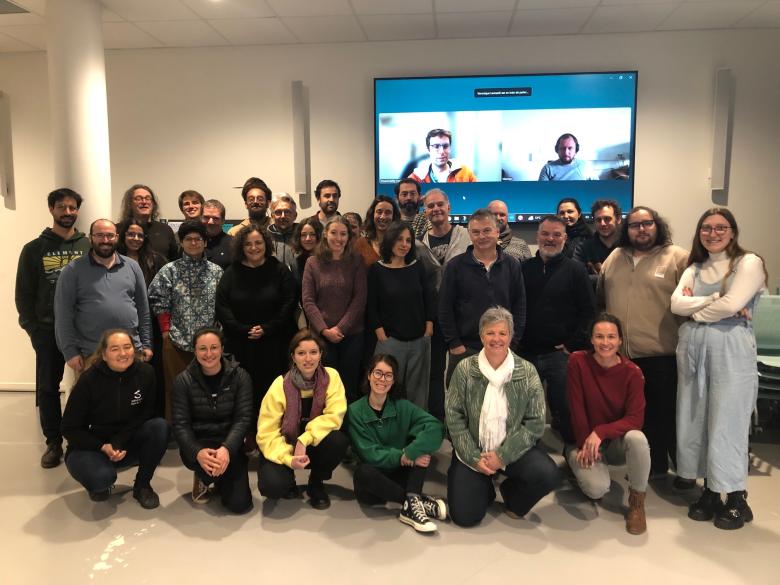
Held at UMR G-Eau (INRAE), these two days brought together nearly 35 participants, including researchers and early-career researchers involved in the different work packages (WP1 to WP5), as well as managers from partner sites.
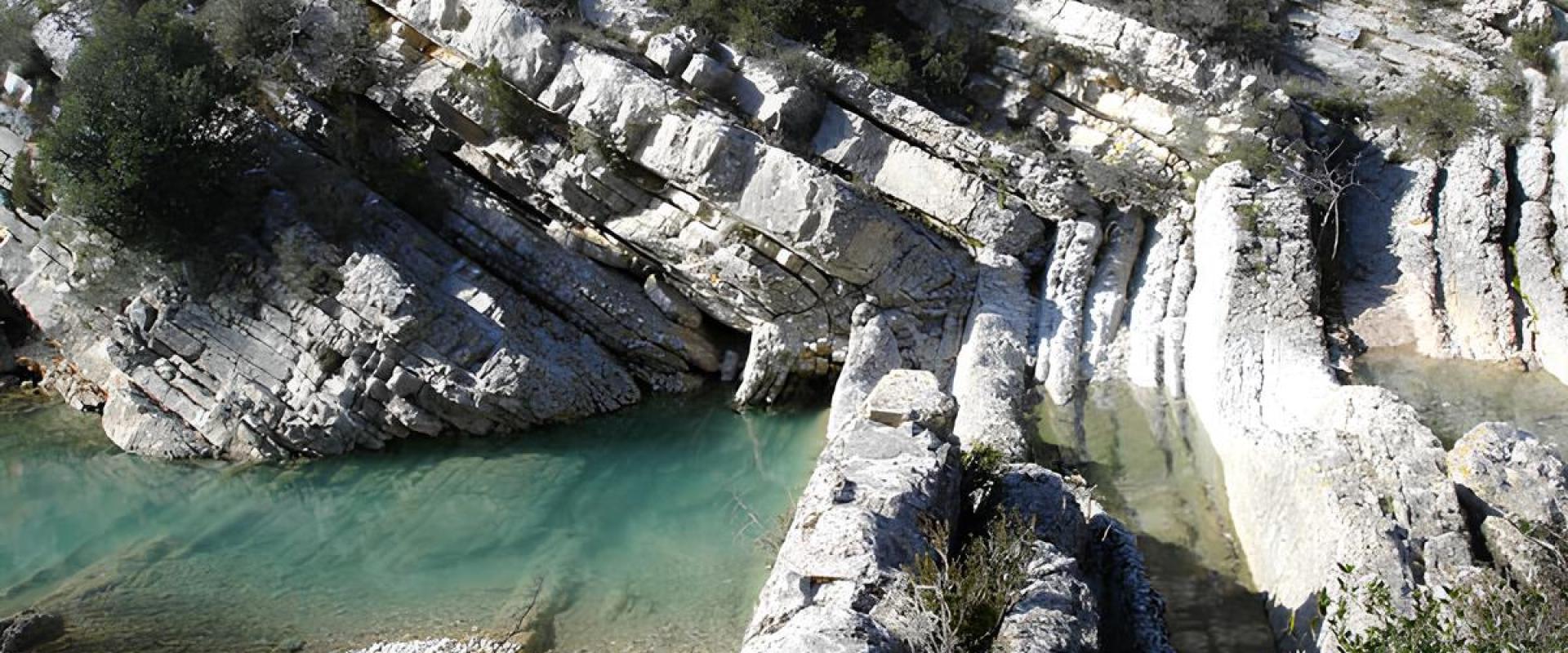
This key moment provided an opportunity to present mid-term results from the project’s three study sites — the Lez aquifer, the Loue basin and the Fontaine de Vaucluse — while highlighting scientific perspectives for the coming years. Discussions notably focused on understanding the functioning of karst hydrosystems, hydrological and hydrogeological modelling, water quality monitoring, as well as governance and collaborative water resource management issues.
The K3 project, which aims to analyse the impact of global changes on karst water resources in order to develop adaptation solutions, is progressing under very positive conditions. The work is advancing in line with the initial programme, with strong team engagement and regular interactions with operational partners, fostering knowledge transfer and the development of applied research actions.
These two days also provided an opportunity to strengthen collaborative dynamics between scientists, site managers and territorial stakeholders, while reinforcing links with the national OneWater – Eau Bien Commun programme and its institutional partners.